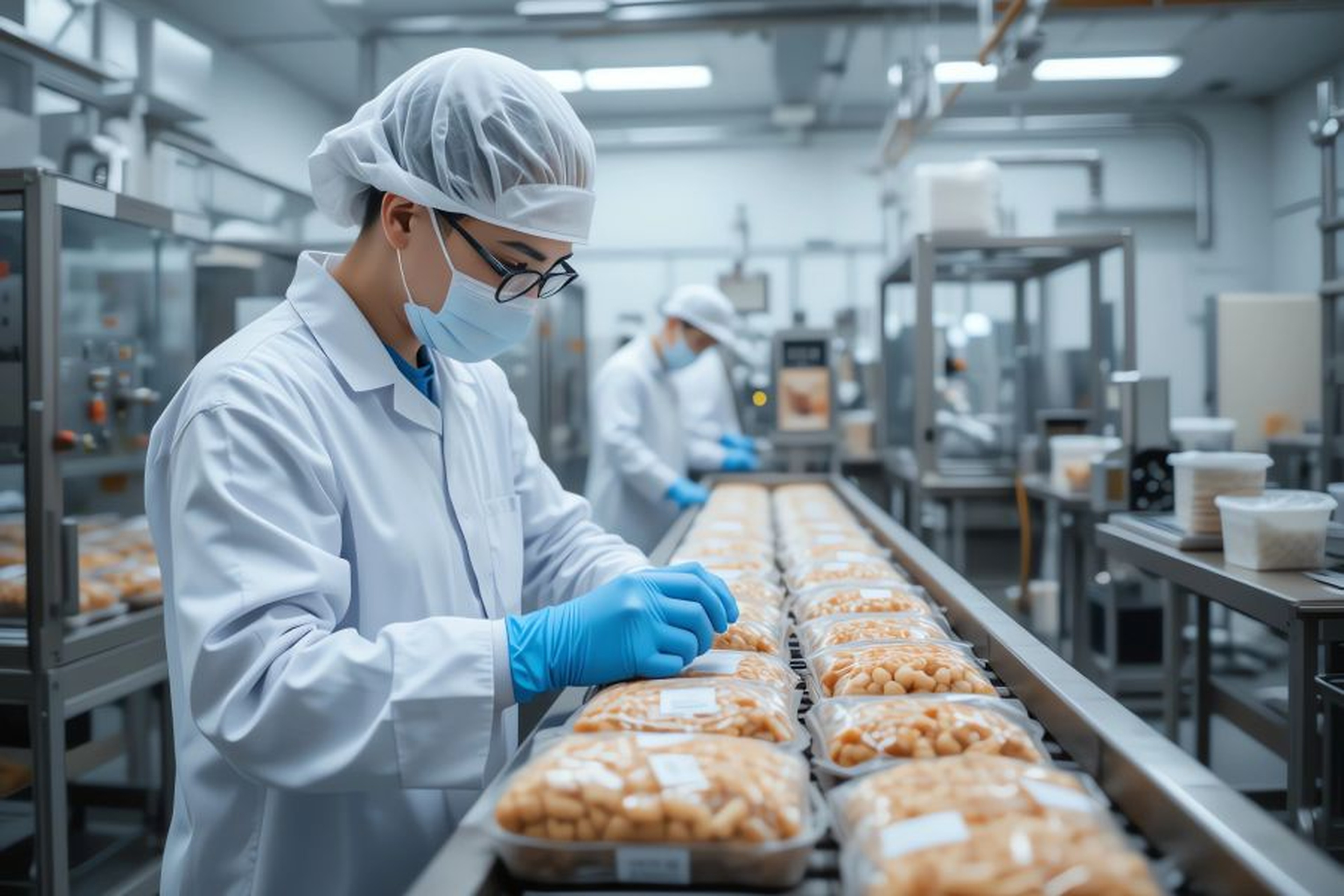
Why specialist food production is breaking under pressure
From texture-modified meals to allergen-sensitive production, the UK specialist food ecosystem is growing in importance while remaining operationally outdated.
Demographics are changing the operating challenge.
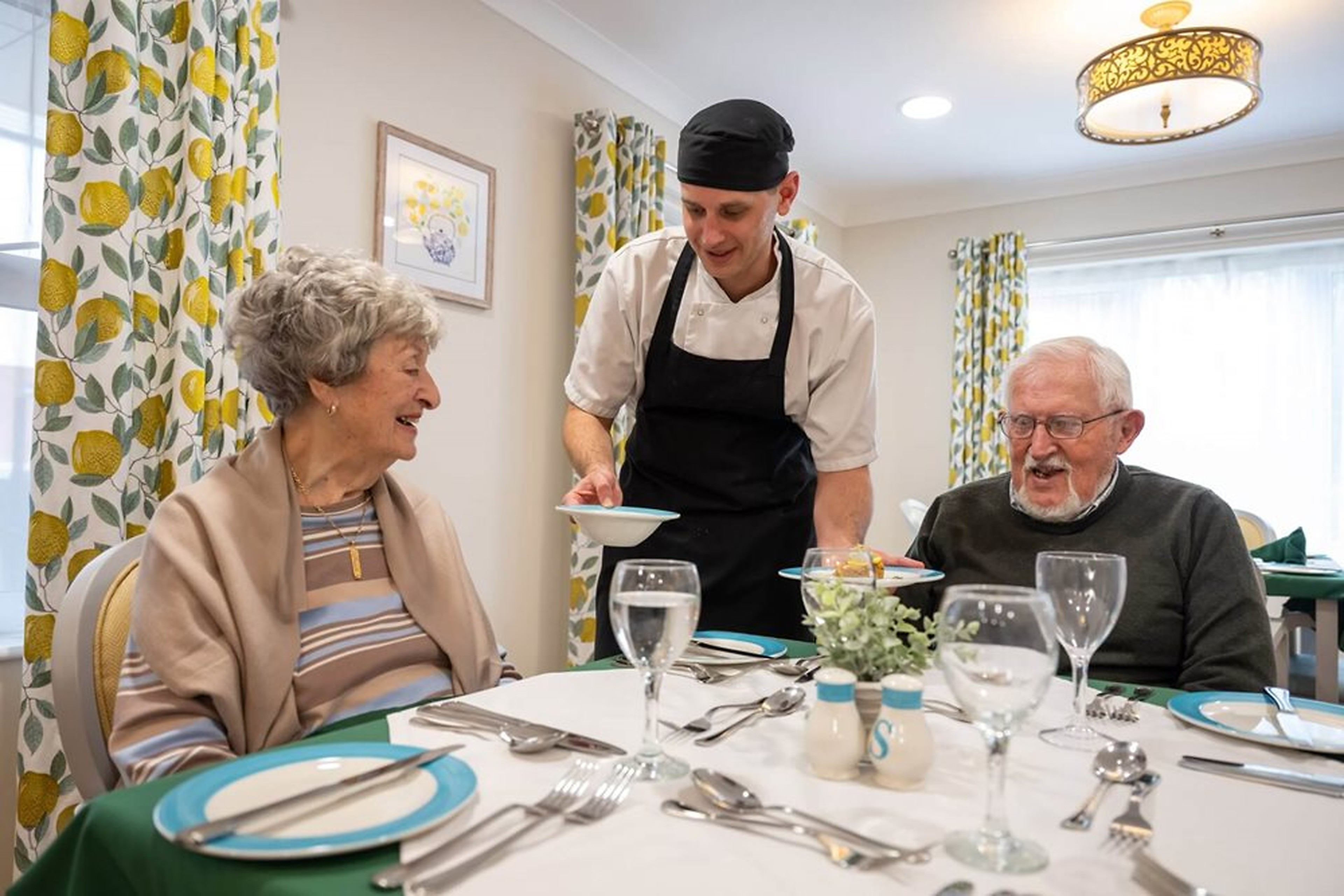
England’s adult social care system supports hundreds of thousands of people. Meanwhile, people aged 90 and over in the UK reached an estimated 625,000 in 2024. This demographic shift means more organisations will need to deliver food that is safe, tailored and consistent.
- Ageing population increases demand for specialist diets.
- Care settings need repeatable quality, not chef-dependent variation.
- More residents and patients means more complexity, not just more meals.
The operating environment is already large and complex.

Manual workflows create avoidable friction.
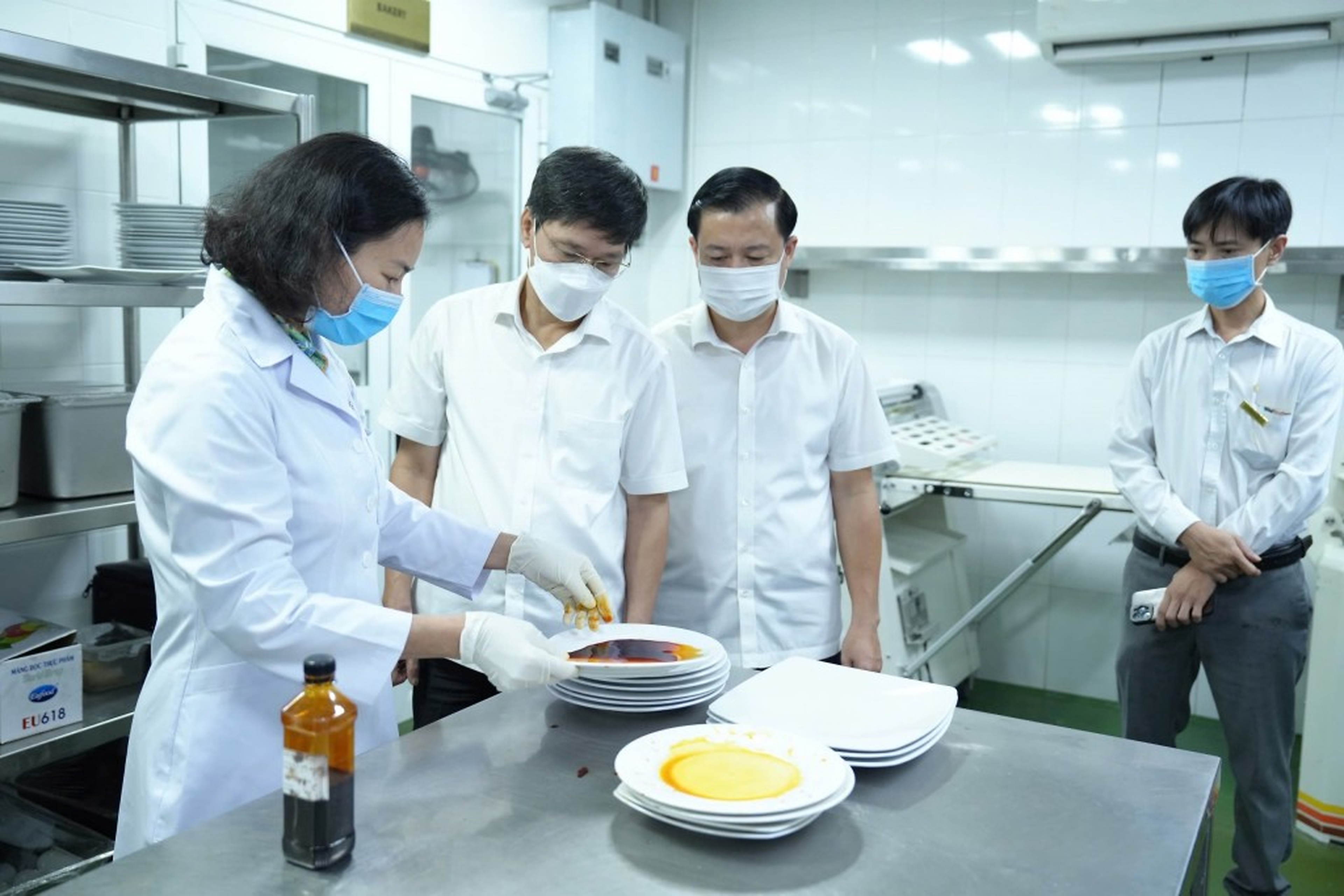
Inconsistency
Variation across shifts, teams and sites makes repeatability harder.
Changeovers
Repeated line changes between diet types slow output and add complexity.
Documentation
Paper-heavy verification and fragmented controls reduce visibility.
Staff dependency
Critical process knowledge can sit with a small number of experienced people.
Training burden
Complex specialist workflows increase onboarding and retraining pressure.
Allergen complexity
Structured, scalable methods are increasingly important for ingredients, segregation and cleaning.
Talk to us about your operational pain points.
Help us understand where specialist food production is hardest today.
Start a conversation